Tubular Door Lock Types: Passage, Privacy, Dead Bolt, Knob vs Lever and 45mm vs 50mm Backset
- Category
- Screws & Fasteners
- Published
- Reading time
- 8 min read
Overview
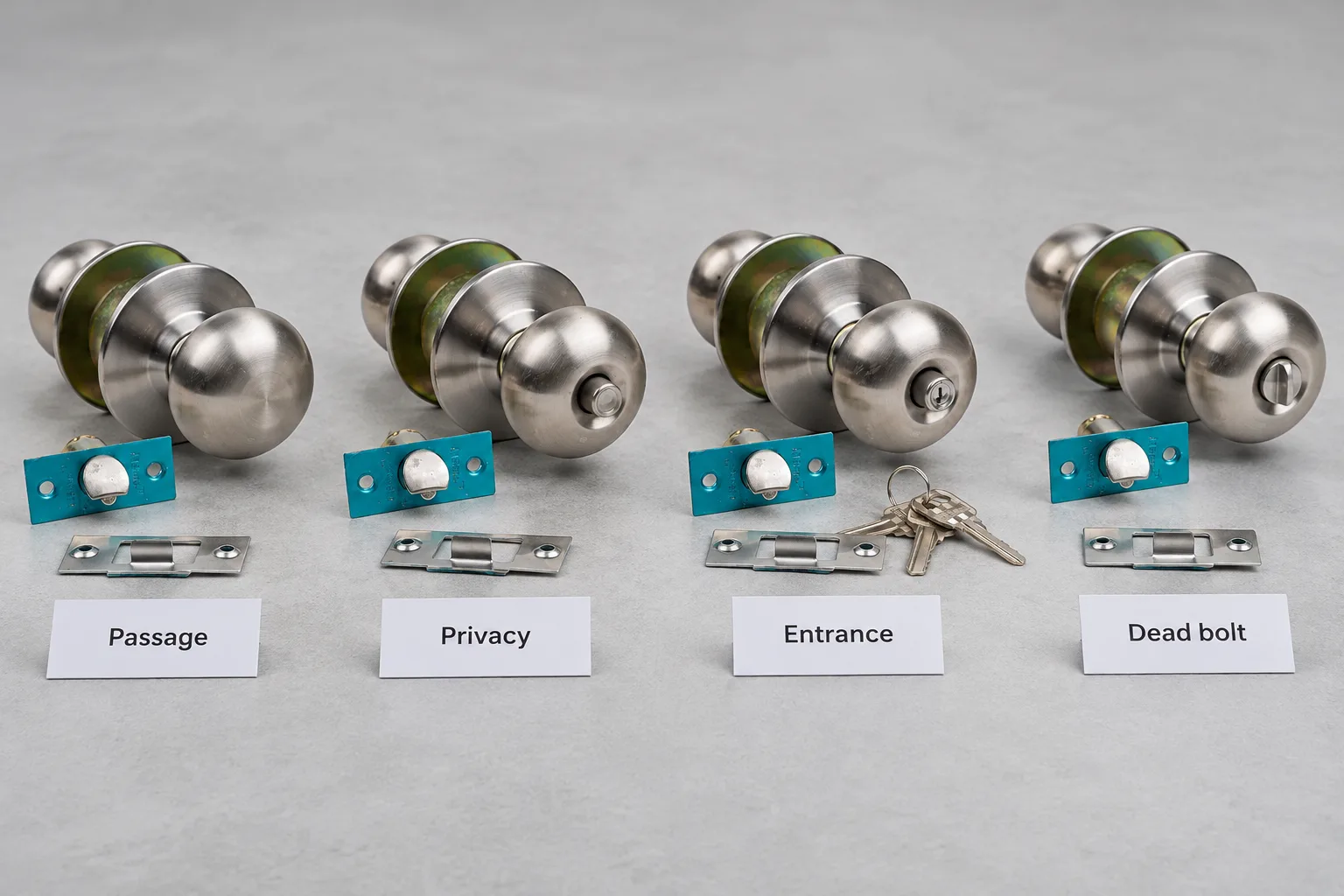
Tubular door lock types are sorted mainly by function. A passage lock only latches, a privacy lock locks from the inside with a button or turn, a keyed entrance lock needs a key from outside, and a dead bolt throws a separate, spring-free bolt. After function, you choose the handle style (knob or lever) and the backset, the distance from the door edge to the centre of the handle.
Get those three choices right and the lock will fit the door, suit the room and work smoothly every day. This guide explains each one in plain terms, so homeowners, carpenters and interior contractors in Pune can compare options before they buy.
What is a tubular door lock?
A tubular door lock fits into two drilled holes. One is a large cross bore through the face of the door, where the handle and lock body sit. The other is a smaller edge bore, where the latch slides in from the side. Because installation needs only these two holes, tubular locks are quick to fit on wooden flush doors and panel doors in flats and offices.
The term tubular hardware is often used loosely at the hardware counter for this whole family of bored locks and latches. In the United States, these products are covered by ANSI/BHMA A156.2, the standard for bored and preassembled locks and latches. It grades them from Grade 1 (the most demanding) to Grade 3 (light duty). If a pack mentions an A156.2 grade, that tells you which test level the product was rated to. If it does not, ask your retailer for the product specifications rather than assuming.
The four tubular lock functions
Function is the first decision, because it decides who can open the door and how. Most interior and entrance needs fall into one of these four.
Passage function: the tubular passage latch lock
A tubular passage latch lock has handles on both sides that always turn. There is no key and no locking button. It simply holds the door closed. Use it for kitchens, store rooms, corridors and living areas where the door never needs to be locked.
Privacy function
A privacy lock has a push button or small turn on the inside. Pressing it locks the outside handle. The outside usually has a small emergency release hole, so the door can be opened with a simple tool if someone needs help. This makes it the usual choice for bathrooms and bedrooms.
Keyed entrance function
An entrance lock has a key cylinder on the outside and a button or turn on the inside. It suits bedrooms you want to lock while away, home offices, cabins and service doors. LUMA's cylindrical tubular locks come in two key options. A regular key tubular lock uses a familiar flat, notched key. A computer key tubular lock uses a dimple-cut key, a style many buyers choose when they prefer a key that is harder to copy at a roadside key shop. Each lock comes with its own keys and fittings.
Dead bolt function
A dead bolt is a solid bolt with no spring. You throw it with a key from outside or a thumbturn from inside, and it cannot be pushed back by pressing on the bolt. That is why a dead bolt is often added to a latch on doors that need extra security. If you are comparing a dead bolt tubular lock, check the bolt throw (how far it projects into the frame), whether it is single cylinder (key outside, thumbturn inside) or double cylinder (key on both sides), and what fixing screws are supplied for the frame side.
Knob vs lever: which handle style suits the door?
Knobs and levers do the same job, but they feel very different in daily use.
- Knobs are compact and round. They are less likely to catch on bags or clothing, and they suit a classic look. They need a twist of the wrist, which can be harder with wet or soapy hands.
- Levers work with a push down, even with an elbow. The 2010 ADA Standards for Accessible Design (section 309.4) ask that operable parts work with one hand without tight grasping, pinching or twisting of the wrist, which is why levers are common in accessible design.
LUMA's cylindrical tubular locks follow the knob format. For most bedrooms, bathrooms and utility doors in homes, a knob lock is a practical, everyday choice. If a project specifically calls for lever operation, for example a home planned around an elderly family member, discuss it with your interior designer before ordering.
45mm vs 50mm backset: how to choose
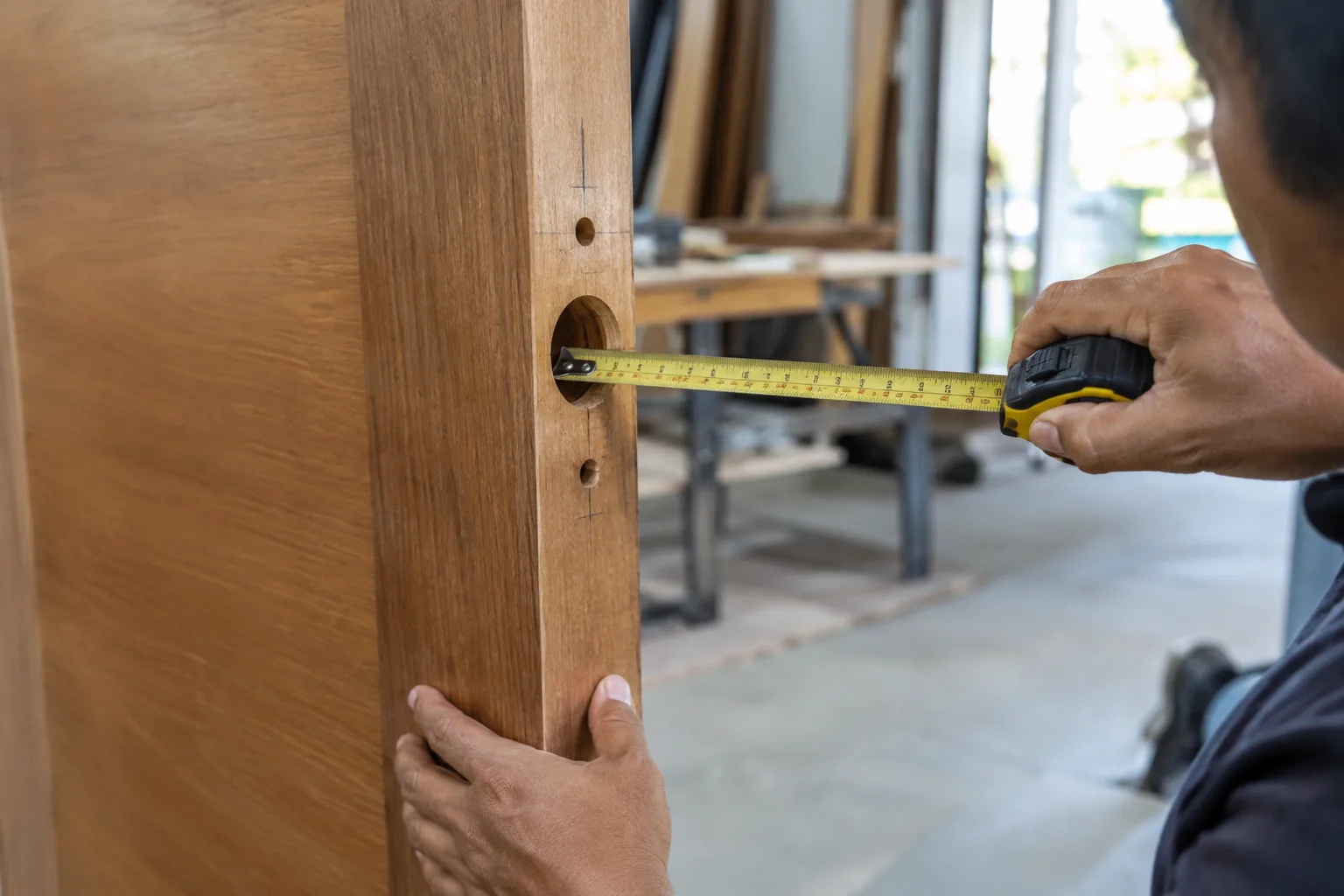
Backset is the distance from the edge of the door to the centre of the cross bore. A 45mm vs 50mm backset tubular lock difference of just 5mm decides where the large hole is drilled, so it has to be decided before drilling, not after.
- 45mm backset places the handle closer to the door edge. It suits narrower door stiles or panel doors where the frame member is slim.
- 50mm backset moves the handle slightly inward. This gives a little more knuckle space between your hand and the door frame, and suits standard flush doors with a wider solid edge.
Before you buy, follow these steps:
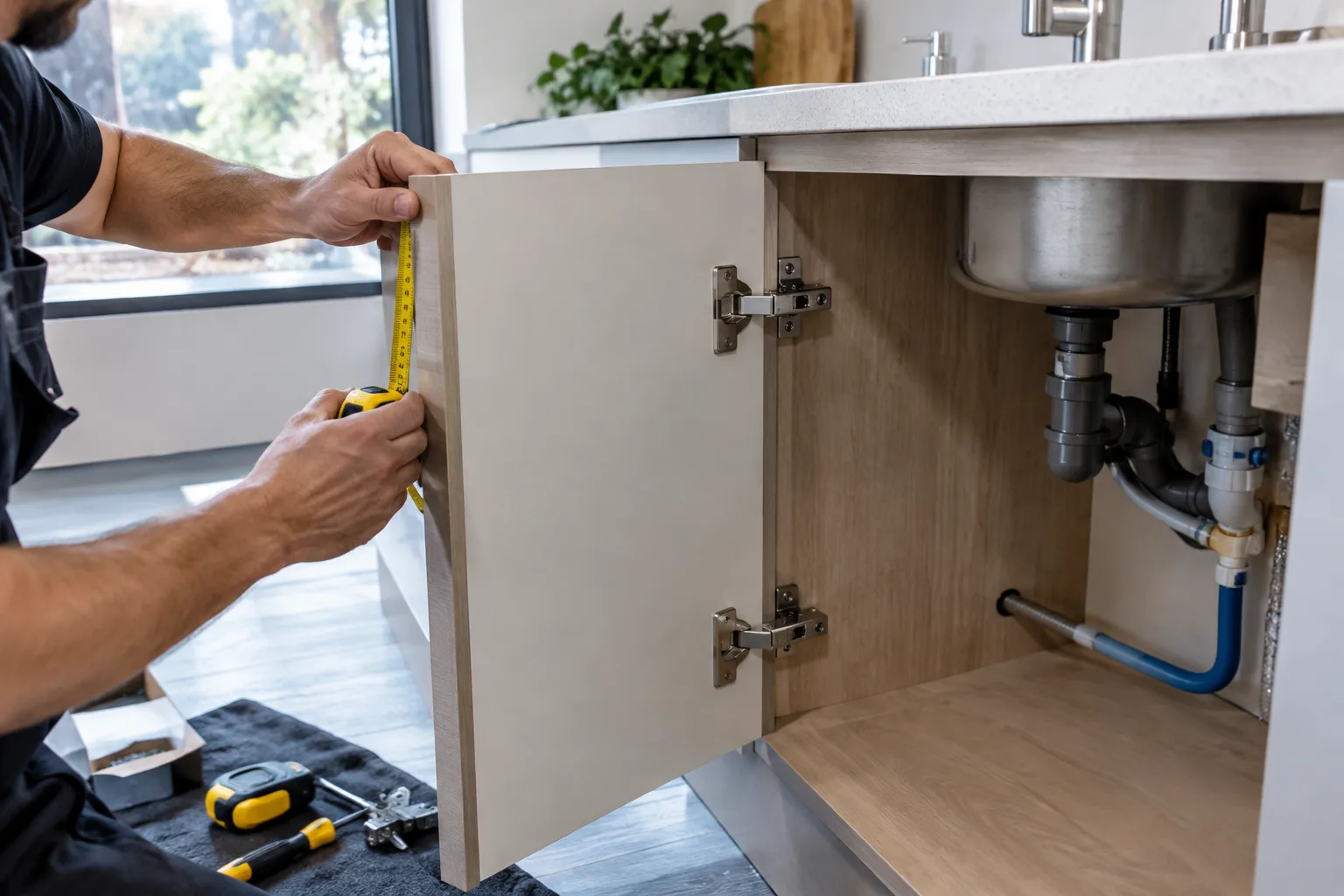
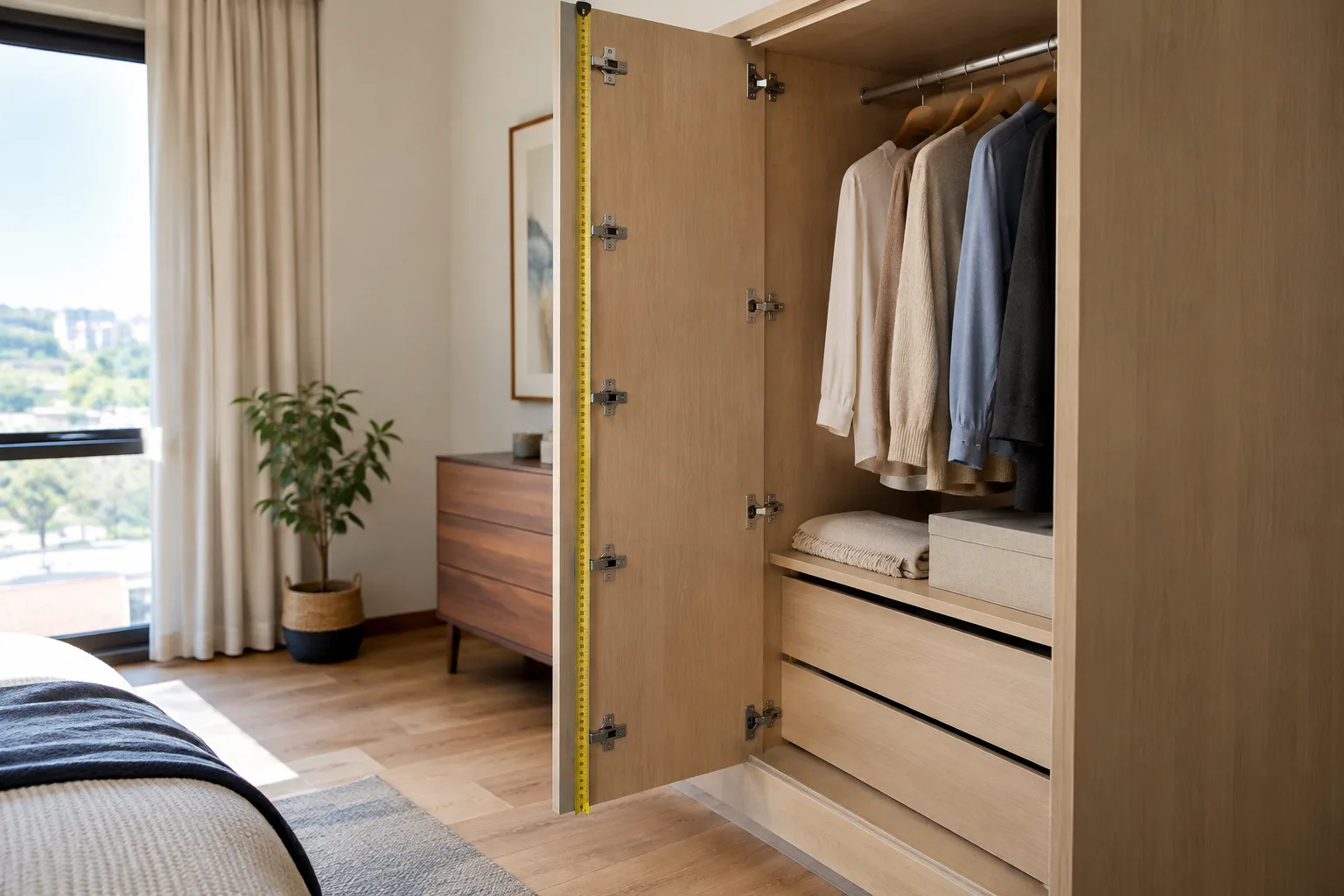
- Measure the door thickness. Most tubular locks are designed for interior doors in a common thickness range, so confirm the range on the pack.
- Check the solid edge or stile width, so the cross bore does not cut into a weak joint or panel.
- On a replacement, measure from the door edge to the centre of the existing hole. Match that backset exactly to avoid re-drilling.
- Check whether the latch is fixed or adjustable. Some latches can be set to more than one backset; others cannot.
For carpenters fitting doors across a new flat in Wakad, Kharadi or Hadapsar, settling one backset for every door makes drilling faster and keeps handle heights and positions consistent.
Contemporary, decorative and designer tubular locks
Searches for contemporary tubular locks, decorative tubular locks and designer tubular locks usually come from one need: a lock that looks right with the rest of the door. Function and fit come first, but finish matters too.
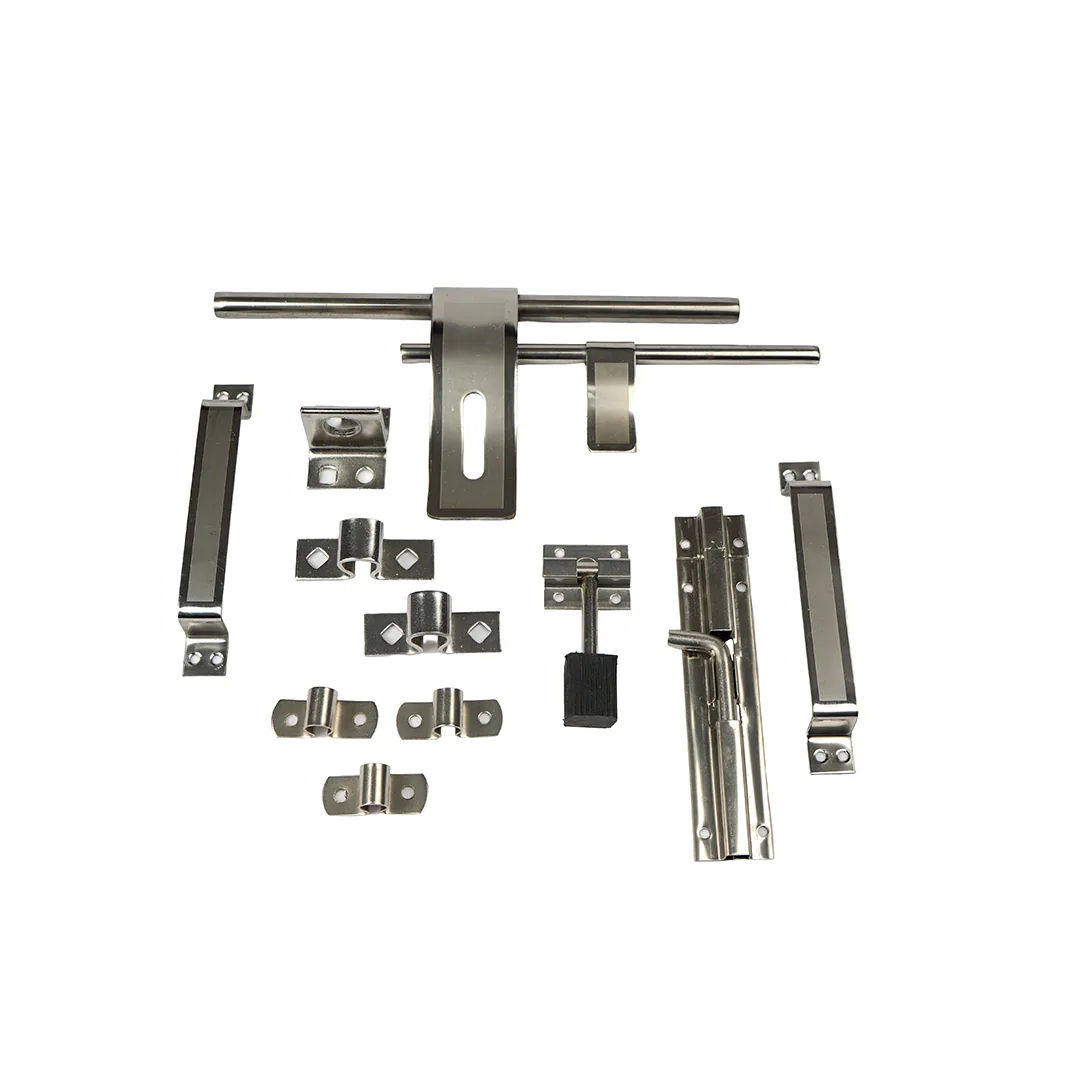
- Match the finish to the other architectural door fittings on the same door, such as the aldrop, tower bolts and patti handles. A mixed finish on one door looks unplanned.
- Think about the room. Bathrooms see moisture and cleaning products, so follow the manufacturer's care instructions and wipe the lock dry.
- Keep the style simple on modern flush doors, where a plain round knob in a clean finish usually suits better than heavy ornament.
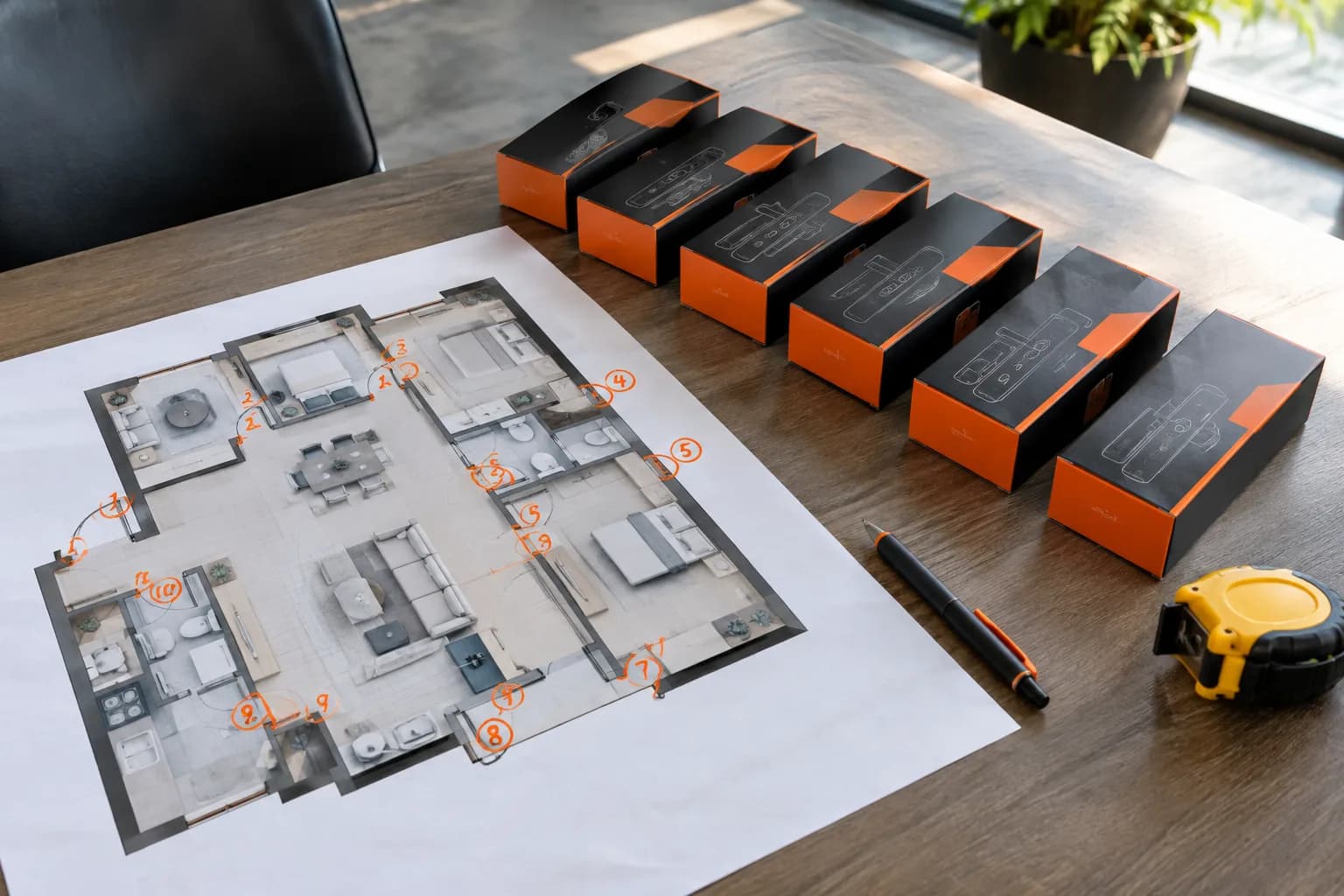
If you are planning hardware for a whole home, our guide to the door hardware kit for a new flat covers kit quantities from 1BHK to 3BHK. Small extras also help: PVC door magnets hold a door open so it does not slam against the tubular lock knob or the wall.
Comparing tubular lock manufacturers and brands
Whether you search for a tubular lock manufacturer or a brand at your local store, compare the product, not the claim. A good listing or pack should tell you:
- The function (passage, privacy, entrance or dead bolt)
- The backset and the door thickness range
- The key type and how many keys are supplied
- The material and finish
- What fittings and screws are included
LUMA Hardware is building its range of architectural hardware products around clear product information, so trade buyers and homeowners can check these details before buying. Explore the LUMA catalogue to see the available configurations and product dimensions.
Where to find LUMA tubular locks in Pune
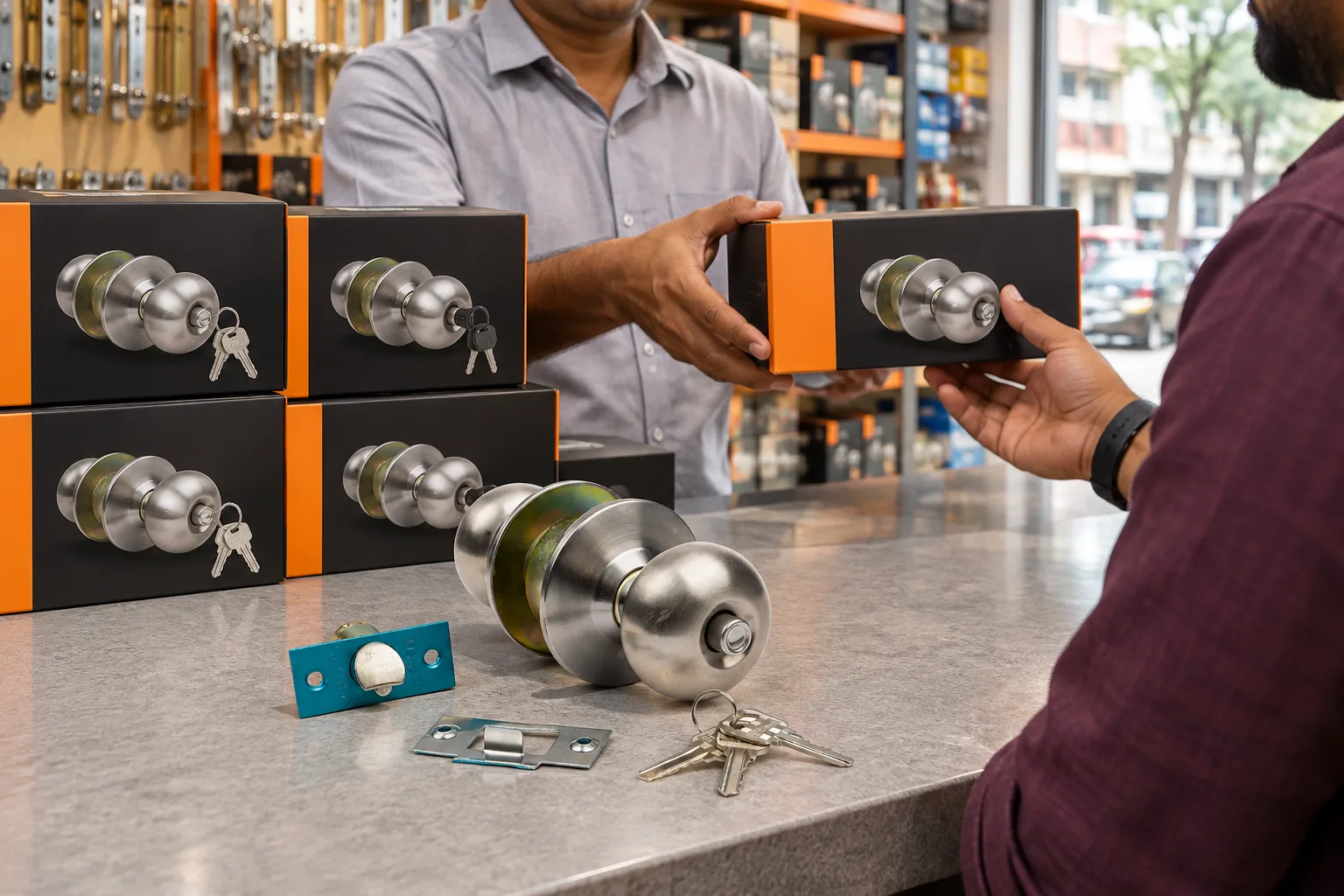
LUMA works directly with hardware retailers, so you can ask for LUMA tubular locks at participating stores across Pune, from Baner and Aundh to Kondhwa and Sinhagad Road. Carpenters, contractors and furniture workshops can do the same through their regular hardware shop.
If you run a hardware store and want to introduce LUMA's door and furniture hardware to your customers, or you need help choosing the right lock function for a project, contact the LUMA team with the door type, quantity and your location.
Frequently asked questions
What is the difference between a passage lock and a privacy lock?
A passage lock has no locking feature, so both handles always turn and the door only latches. A privacy lock has a push button or turn on the inside that locks the outside handle. Passage suits kitchens and corridors, while privacy suits bathrooms and bedrooms.
How do I measure the backset of an existing tubular lock?
Measure from the edge of the door to the centre of the large round hole where the knob sits. That figure is the backset, for example 45mm or 50mm. Buy a replacement with the same backset so you do not need to re-drill the door.
Is a regular key or computer key tubular lock better?
Both lock the door in the same way; the difference is the key. A regular key has a flat, notched profile, while a computer key uses dimple cuts, which many buyers prefer because it is harder to copy at a basic key shop. LUMA offers cylindrical tubular locks with both key types.
Can I fit a tubular lock on any wooden door?
Tubular locks suit most wooden flush and panel doors, as long as the door thickness falls within the range on the pack and the edge has enough solid wood for the cross bore and latch. Check the stile width on panel doors before drilling. If unsure, ask a carpenter to confirm before buying.
Where can I buy LUMA tubular locks?
LUMA works directly with hardware retailers, so ask for LUMA tubular locks at participating hardware stores in Pune. For availability in your area or retailer partnership enquiries, contact the LUMA team through the website.